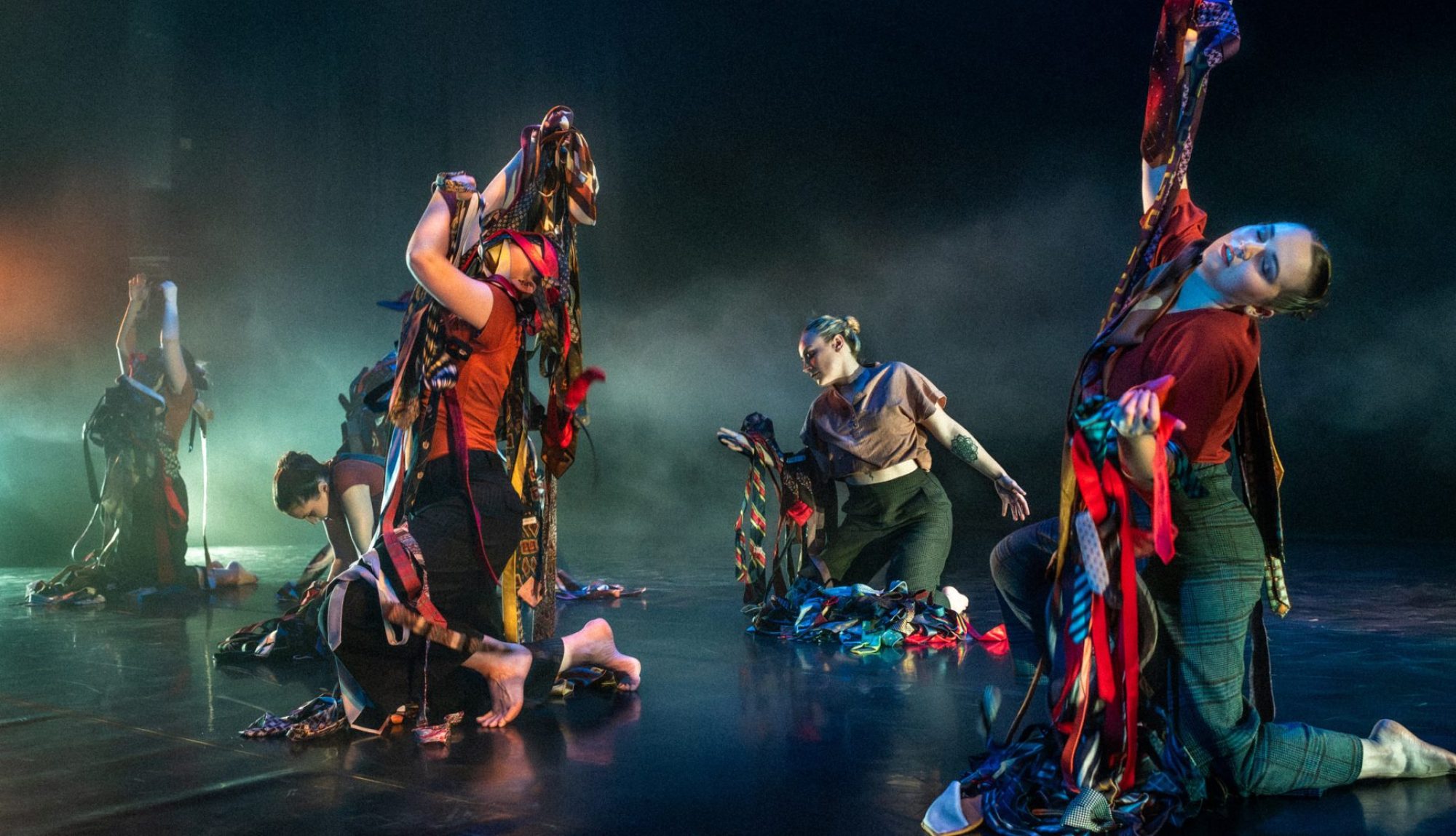

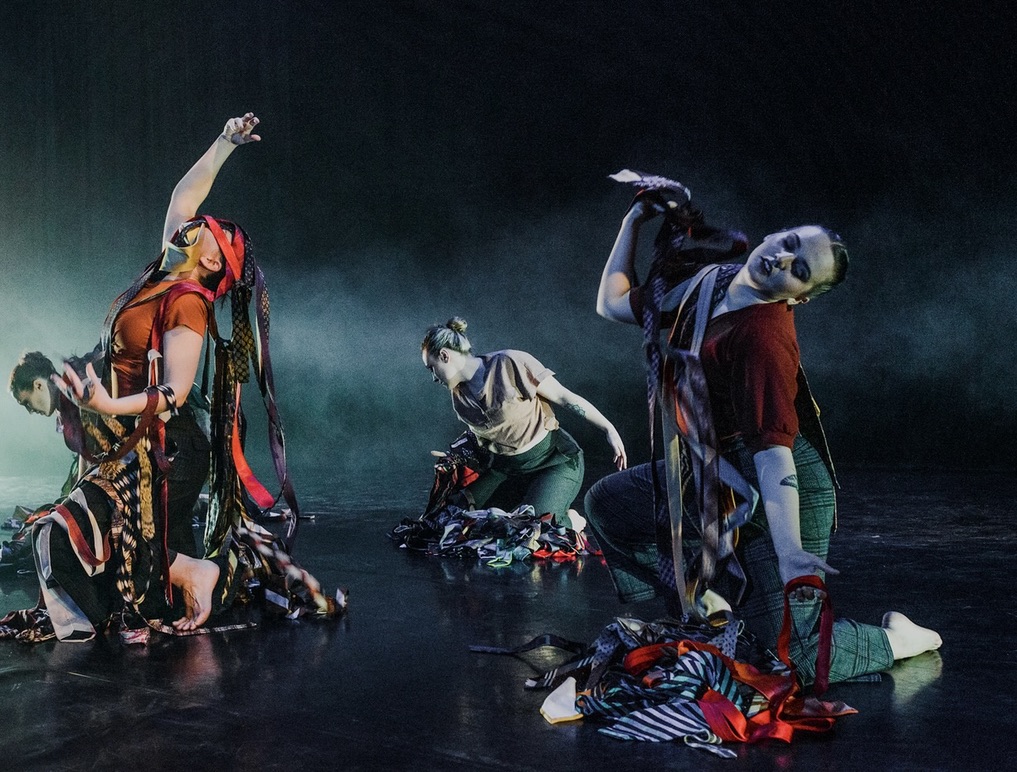
Broken Rhythms back at the Victoria Fringe
From the Dance Company that brought you ‘Pick of the Fringe’ winning shows, Spark, Grimm, SEVEN, Universal Horrors and 1,000 Pieces of π. Broken Rhythms is back at Victoria Fringe to wow audiences with an exceptional new work. Taking inspiration from the Film Noir genre and Germanic Expressionism, Chiaro:Scuro ties together the light and dark of the human condition and the motivations that can lead to paranoia, inner turmoil and murder.
“…exciting, authentic, intriguing, frightening, and beautiful.”
Find out More Below (Pictures, interviews, reviews, promotions)
Chiaro:Scuro Radio Interview with Dyana Sonik-Henderson by Asia Rattigan from CFUV
Preview
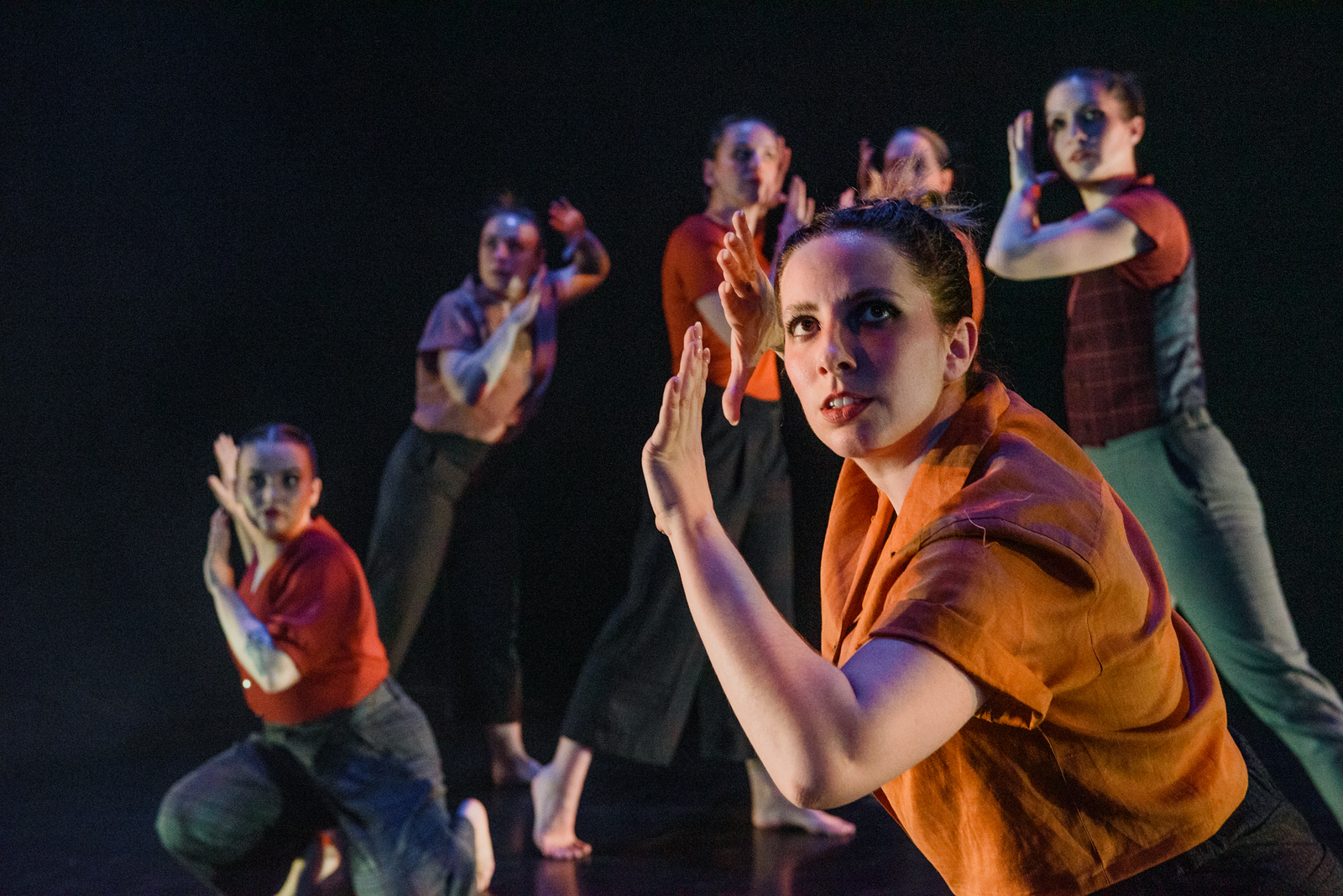
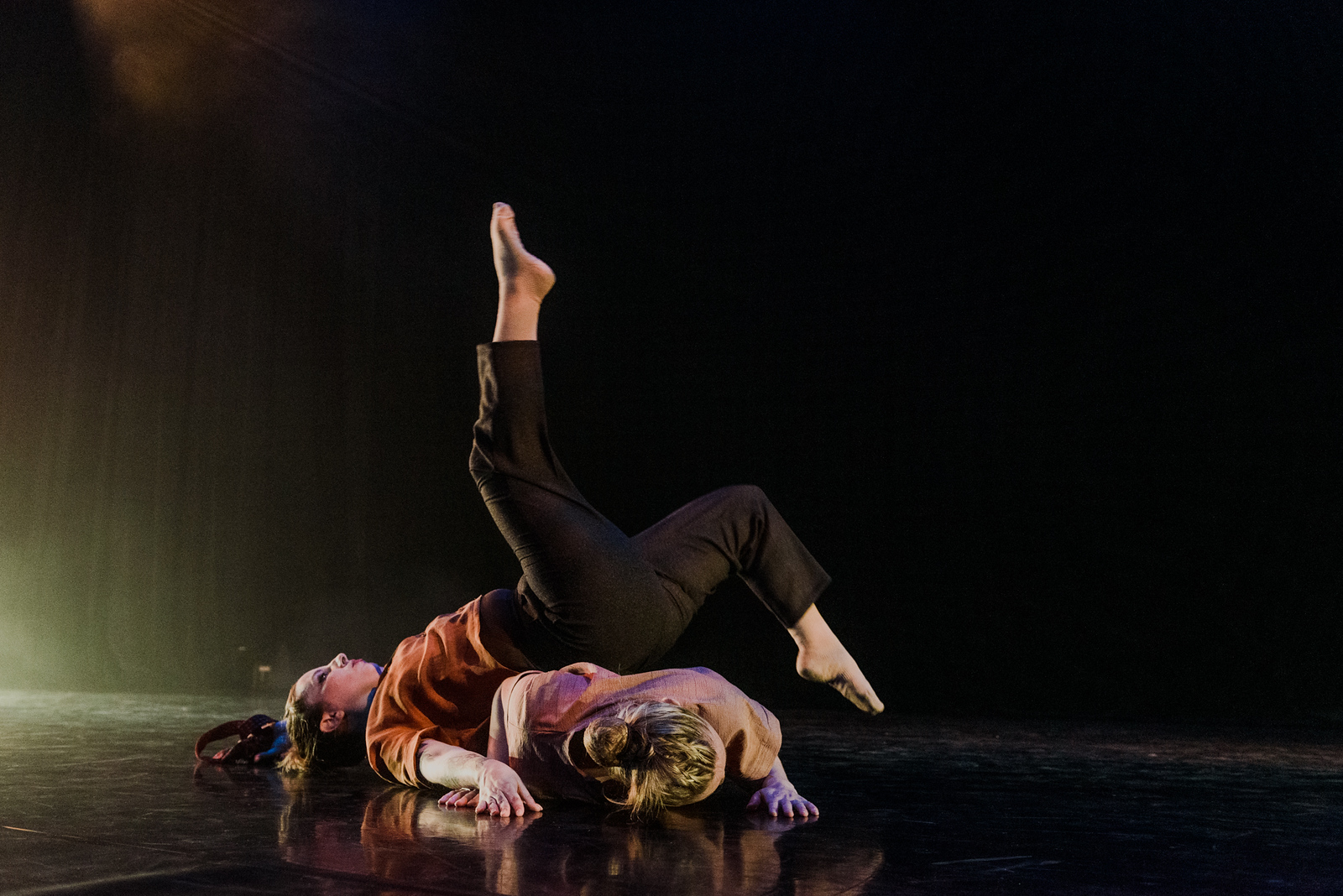
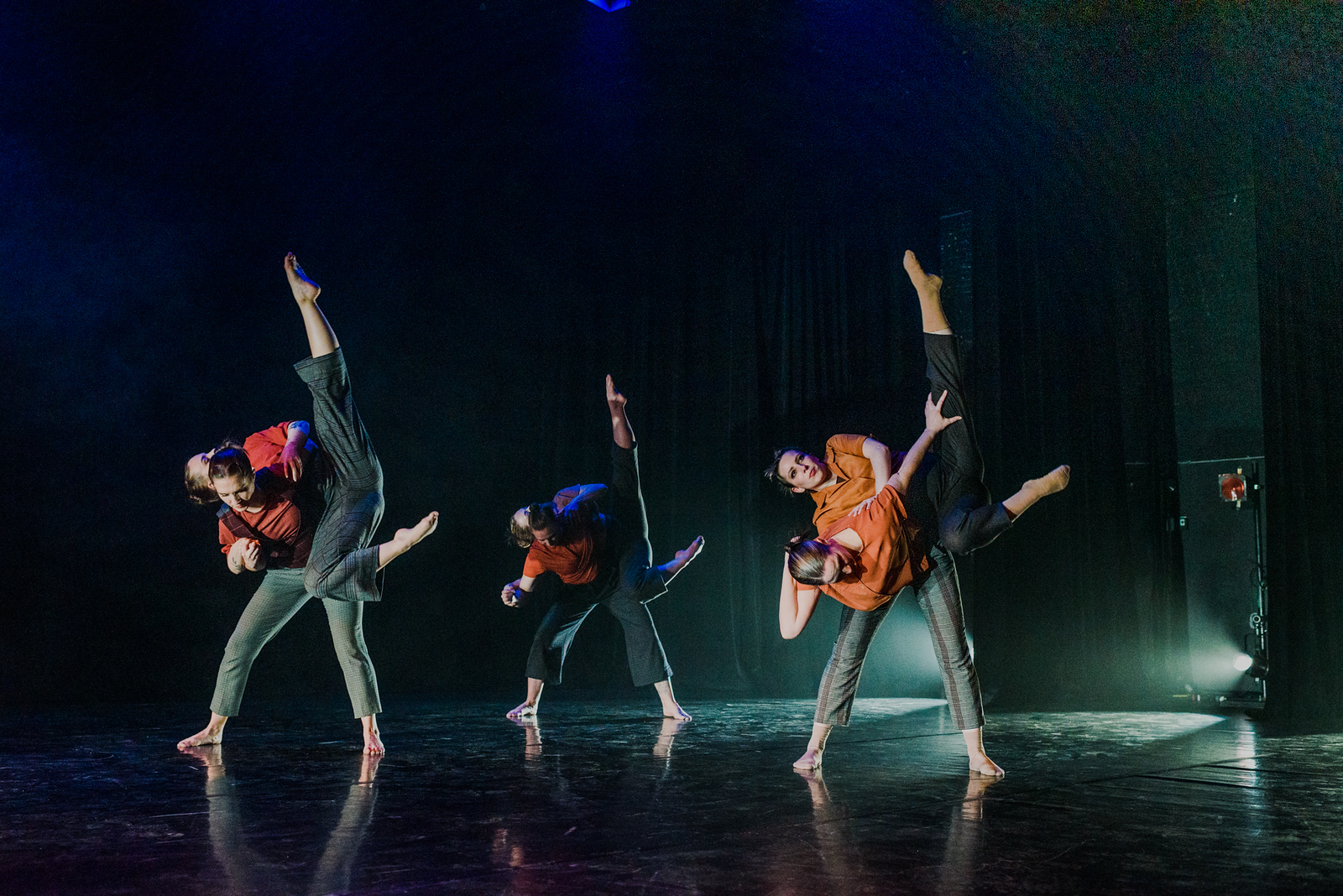
Chiaro:Scuro is inspired by film noir, German Expressionism, and the drawing and painting technique of using high contrast between light and dark areas in order to capture volume, shadows, drama, and emotion. Dyana Sonik-Henderson’s intoxicating choreography combines Broken Rhythms’ signature contemporary style with different styles of jazz and blues dance in order to weave a nonlinear story that starts with an image of danger, clears the slate, and then slowly builds back up the characters, tension, and creeping sense of dread. I was really taken by the physicality and energy of the dancers as they worked their way through complicated partnering, athletic movements, repetition, moments of stillness, and visually striking prop work.
They also find a way to convey complicated characters through the choreography and various storylines. There are very vulnerable and human moments contrasted with more mechanistic and imposing moments (in speaking to Dyana, one particular section was inspired by the 1927 film Metropolis). The choreography and the staging explore a deconstruction of binaries (good/bad, shadow/light, feminine/masculine) and the sense of moral ambiguity pulled from some of its source material. While Dyana mentioned that one dancer was the closest thing to the protagonist at times, the roles of protagonist, antagonist, narrator and bystander seem to roll, shift, twist, and dissolve with the dancers throughout the piece. The result is compelling, disorienting, and very effective.
“…the choreography, performances, and design, are cohesive, exciting, authentic, intriguing, frightening, and beautiful.”
I love how the music oscillates between sounds that called up a detective story and songs that have a more eerie, haunting or electronic feeling to them. The sepia-toned costuming and dramatic makeup serves to reinforce the show’s critique of binaries between masculine and feminine, and to call up some of the cinematic references (including 1920 film The Cabinet of Dr. Calighari). A sense of danger and suspicion pervades the piece in a way that focuses the dancers, drives the story, and captivates the audience. Overall, the choreography, performances, and design, are cohesive, exciting, authentic, intriguing, frightening, and beautiful.
It is so good and you will love it too, whether you’re already a fan of contemporary and jazz dance, or if you’re someone who is curious to experience this type of performance. Theatre folks, this one will really resonate with you as well!
Go see this show!
John Manson has been active in various segments of Victoria’s arts community since 2010, including visual arts, writing, dance, and theatre. Currently, John is also pursuing a Diploma of Public Administration through Camosun College. John sits on the Broken Rhythms Board of Directors and strives to bring his multifaceted local arts experience to this organization that he deeply admires and appreciates.
2023 Fringe Fest review: Chiaro:Scuro abstract expression with no comprehension required
Nexus
review by Lane Chevrier, contributing writer
Chiaro:Scuro is a musical dance show by Broken Rhythms Dance Company that purportedly takes inspiration from the film noir genre and Germanic expressionism to create a performance rich with meaning, although as an abstract piece, the audience could be forgiven for missing all of it. According to the description, the performance “ties together the light and dark of the human condition and uncovers motivations that can lead to paranoia, inner turmoil and murder,” but there are arguably no definitive indications of any sort of plot or story outside of some abstract conceptualism using a few simple props. Despite this, the talent of the dancers and choreographers shines brightly here, and it’s a joy to behold simply for the emotional spectacle.
Performed on a small dark stage hazed in fog and illuminated by chromatic lighting, six dancers undulate and roil betwixt one another in a series of movements that are skillfully executed and well-paced, ranging from absolute stillness to a chaotic frenzy. The first impression I had was a tryst between Thriller and smooth jazz, but throughout the show the music and dancing constantly evolved, punctuated by rhythmic, raw hisses and other abstract respiratory vocalizations from the performers themselves. Sometimes somber and beautiful, in other moments frenetic and nightmarish, the piece brings the audience on an emotional journey that belongs as much to the viewer as the performer, and this highlights an often overlooked aspect of abstract art.
The term “interpretive dance” is usually used somewhat disparagingly by onlookers whose principle reflection of what they’ve just witnessed is that they had no idea what in blue blazes was going on. Unlike more reserved forms of dance and performance, which might throw the audience a bone in the form of a discernible plot and characters or a series of movements that boast a minimal level of grounded continuity, interpretive dance tends to have none of these things at face value, instead appearing to be a wild and unhinged flailing of wild and unhinged “performance artists.”
However, I believe the downfall of the very concept of abstract interpretive dance, from an outside perspective, is that it implicitly requires the viewer to interpret the dancing. Through the common understanding that art holds latent meaning, a viewer who finds themselves unable to extract this meaning unconsciously feels disadvantaged and uncomfortable, so therefore considers the experience distasteful. This extends to any sort of abstract art.
Yet, through witnessing Chiaro:Scuro, it has dawned upon me that the key to appreciating abstract or interpretive art is to absolve oneself of the demand to derive any sort of meaning from it whatsoever. In this way, it is simply expressive art, wherein the artist is expressing an emotional experience, and the viewer is receiving that emotional experience on a level not requiring cognitive comprehension.
There’s undoubtedly a rich tapestry of meaning expressed within Chiaro:Scuro, and I for one am perfectly happy to allow all of it to soar majestically over my head. We live in an era where ham-fisted political messaging and moral grandstanding is applauded and even expected from any sort of artistic media, and I find myself delighted to encounter the rare occurrences where I can observe a piece of contemporary media without being forced to endure a quivering mass of irrelevant meaning being violently crammed down my gullet. Chiaro:Scuro was a beautiful bit of dance and music by a small group of extremely talented artists, and that’s all I ever wanted it to be.
 Broken Rhythms