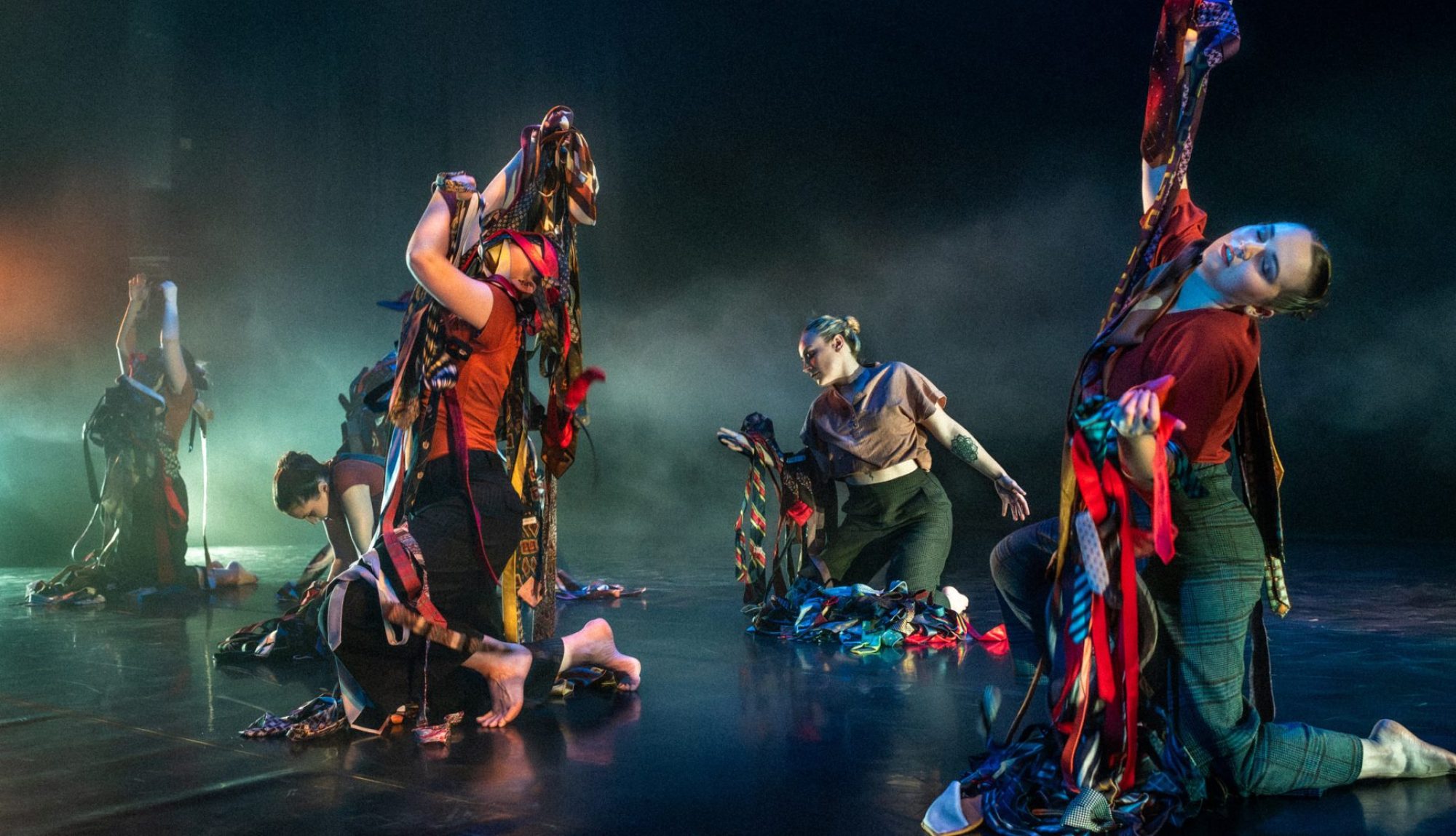

When 1,000 Pieces of ∏ meets 52 Stories
2 shows one night. Join us for an evening of memories, storytelling, dancing, and pie as two renowned local creators bring their shows to the stage.
Dates: May 22 & 23 2026
Times: 700pm (Doors at 6:30)
Location: Canadian College of Performing Arts Performance Hall (1701 Elgin Road, Victoria, BC V8R 5L7)
Tiered Ticket pricing : $20, $45 and $100
1,000 Pieces of π & 52 Stories a Double Feature
What emerges between these two works is not just a shared fascination with memory systems, but a shared belief that memory itself is deeply human, emotional, and narrative-driven. The memorization challenge may provide the structure of each performance, yet neither work is truly about memorization. The challenge becomes a frame through which identity, limitation, and self-understanding are explored.
Both 52 Stories and 1,000 Pieces of π begin with recognizable feats of cognition: memorizing a deck of cards and memorizing digits of π. These are often treated as demonstrations of discipline, intelligence, or competitive mental fitness. In popular culture, they exist almost as spectacles proof that the mind can be trained beyond ordinary expectation. Yet both performances shift attention away from technical mastery and toward the stories we attach to acts of remembering.

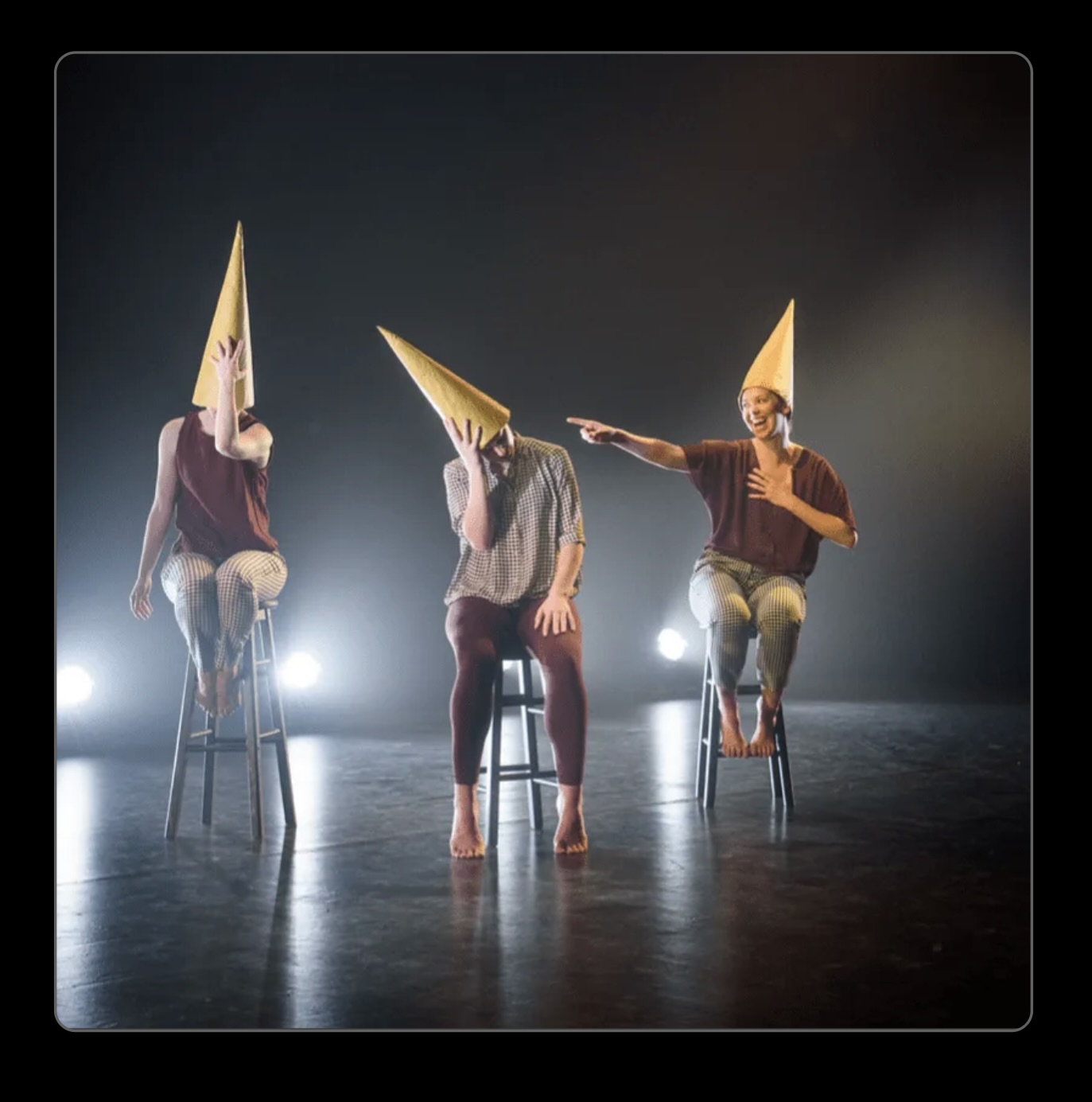
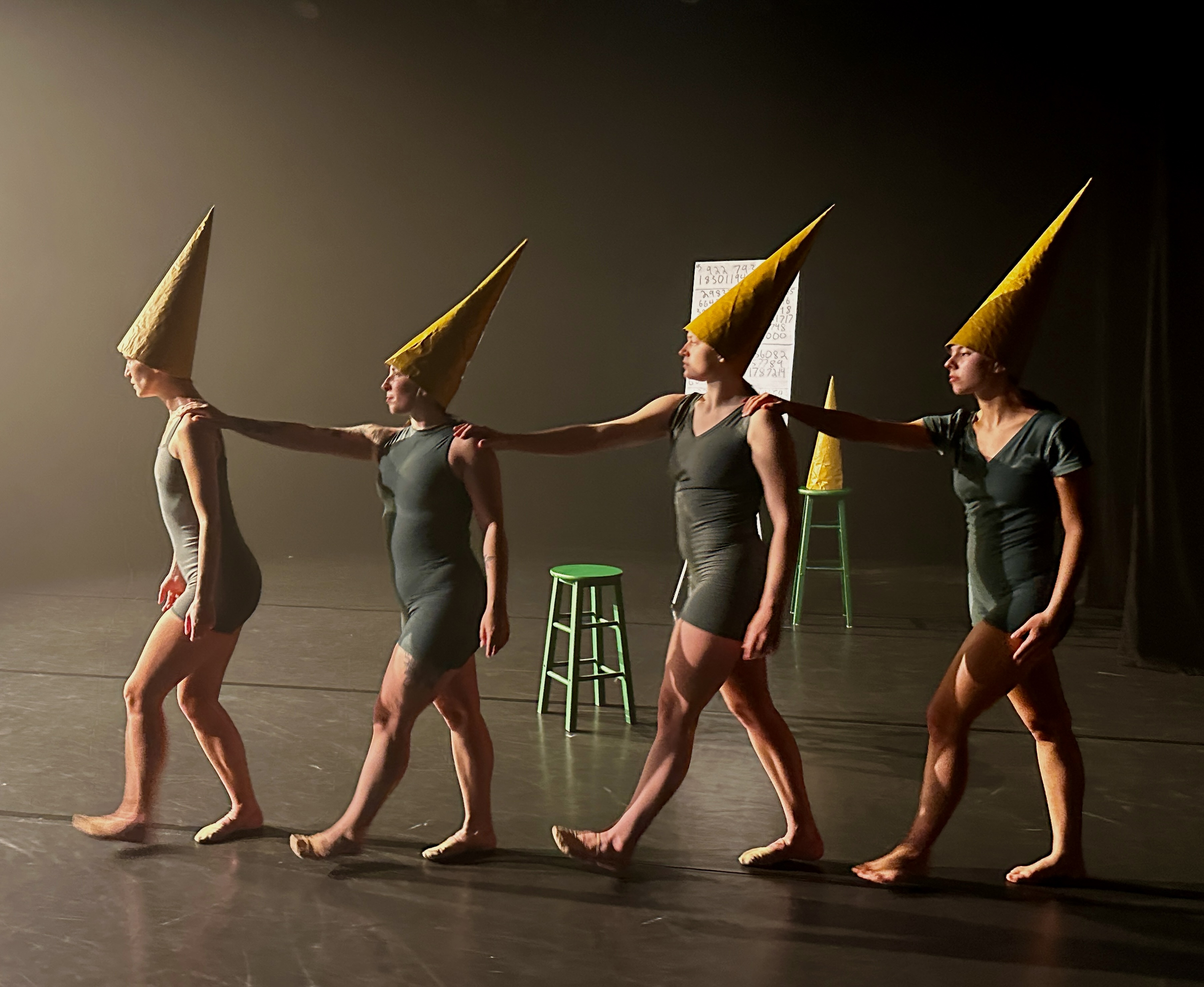
In 1,000 Pieces of π, each digit from 0–9 is translated into physical movement:
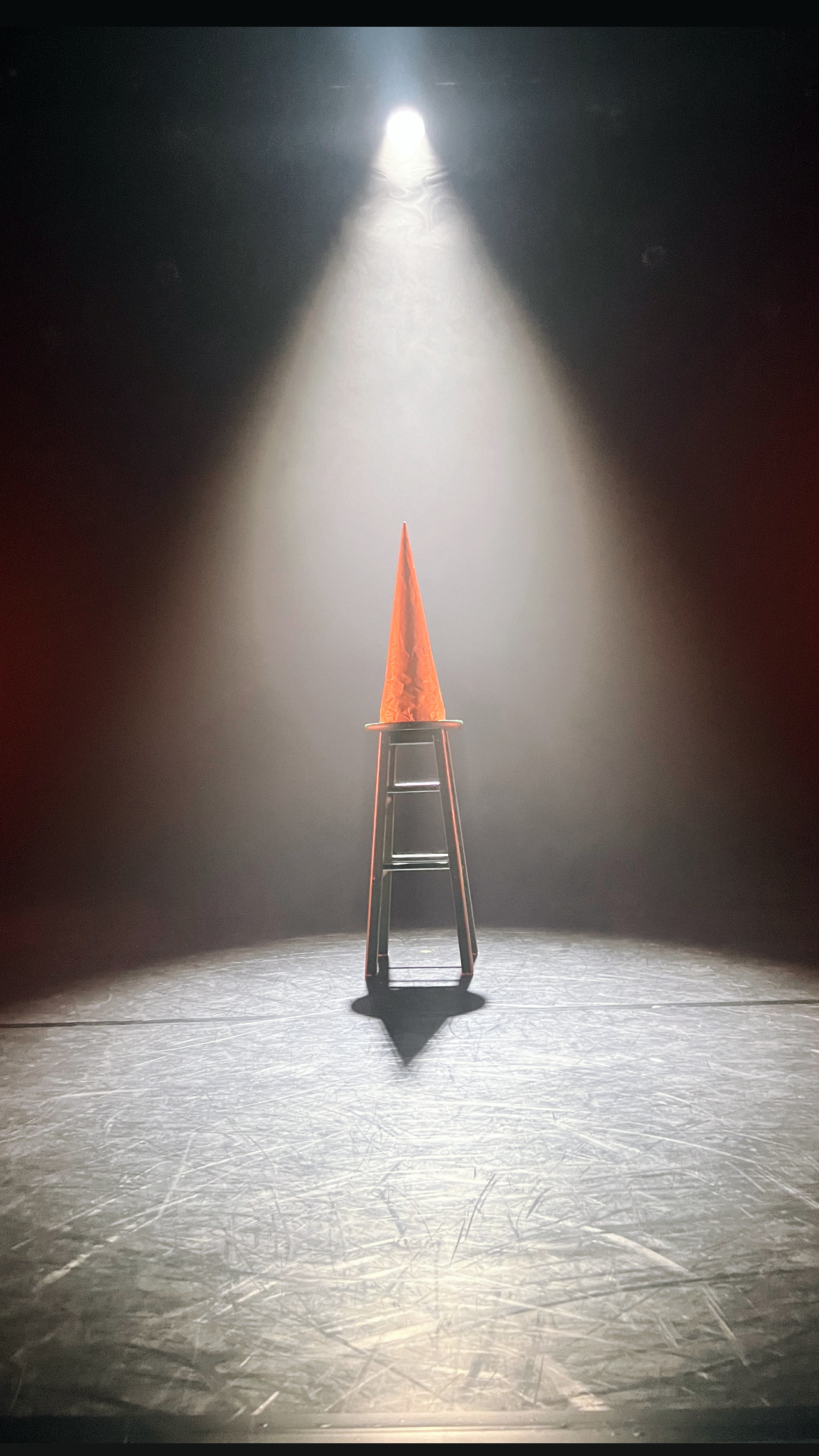
1 becomes a head movement, 2 a jump, 3 a slide, 4 a turn, 5 balance, 6 chest around, 7 a kick, 8 running, 9 touching the floor, and 0 connecting to another person. The body becomes an archive, transforming abstract mathematics into choreography. Watching the dancer perform the first thousand digits while the creator simultaneously recalls and writes the sequence from memory could easily function as the entire premise of the show.
But the true center of the work lies beneath the challenge itself. The performance becomes a vulnerable meditation on how childhood labels shape adult self-perception. The act of memorizing π is no longer merely evidence of cognitive ability; it becomes an act of resistance against inherited ideas about intelligence, capability, and worth. The performance asks what happens when someone who was once told they were limited chooses to publicly undertake something associated with extraordinary mental ability. The memorization challenge therefore becomes symbolic not proof of genius, but proof that identity is not fixed by the narratives imposed on us early in life.
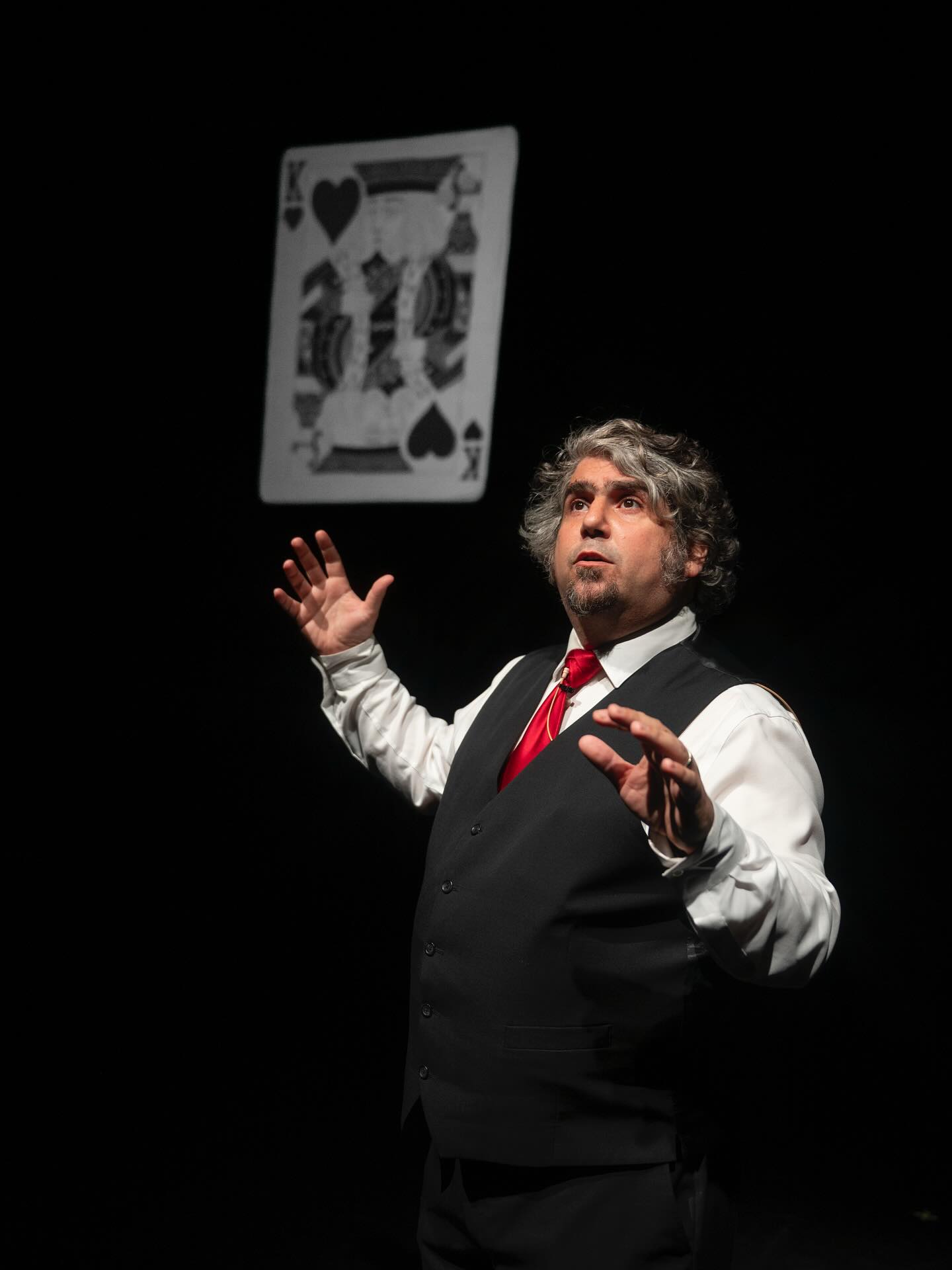
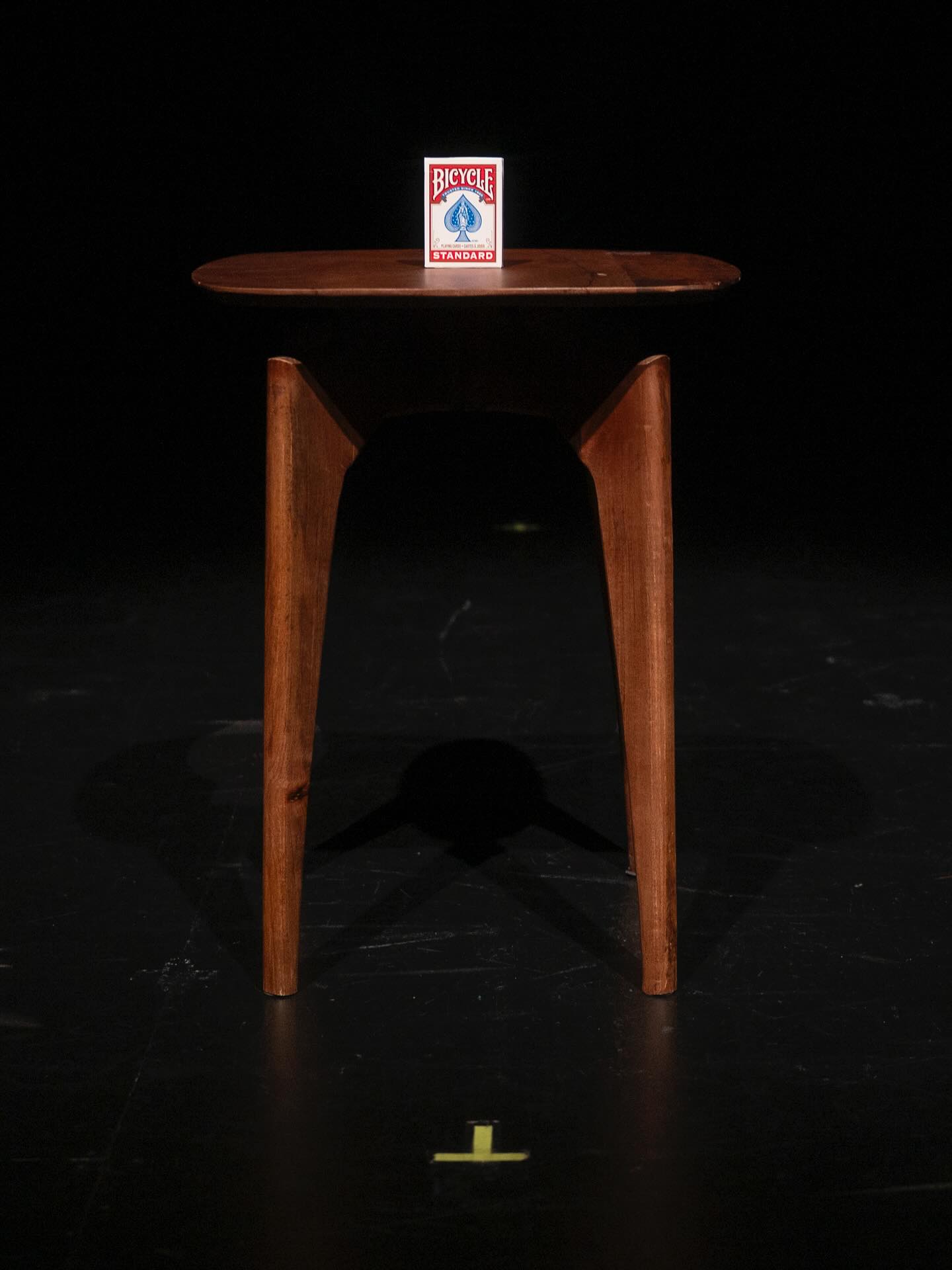
52 Stories is a storytelling show that takes place inside the memory palace of Dave Morris. At the start of the show a deck of cards is shuffled, and then right in front of your eyes Morris memorizes the order and recites it back to you, all while doing two things: teaching you how he does it – inviting you into his memory palace – and telling the stories that help him remember. A beautiful mix of a memory feat and a storytelling show.
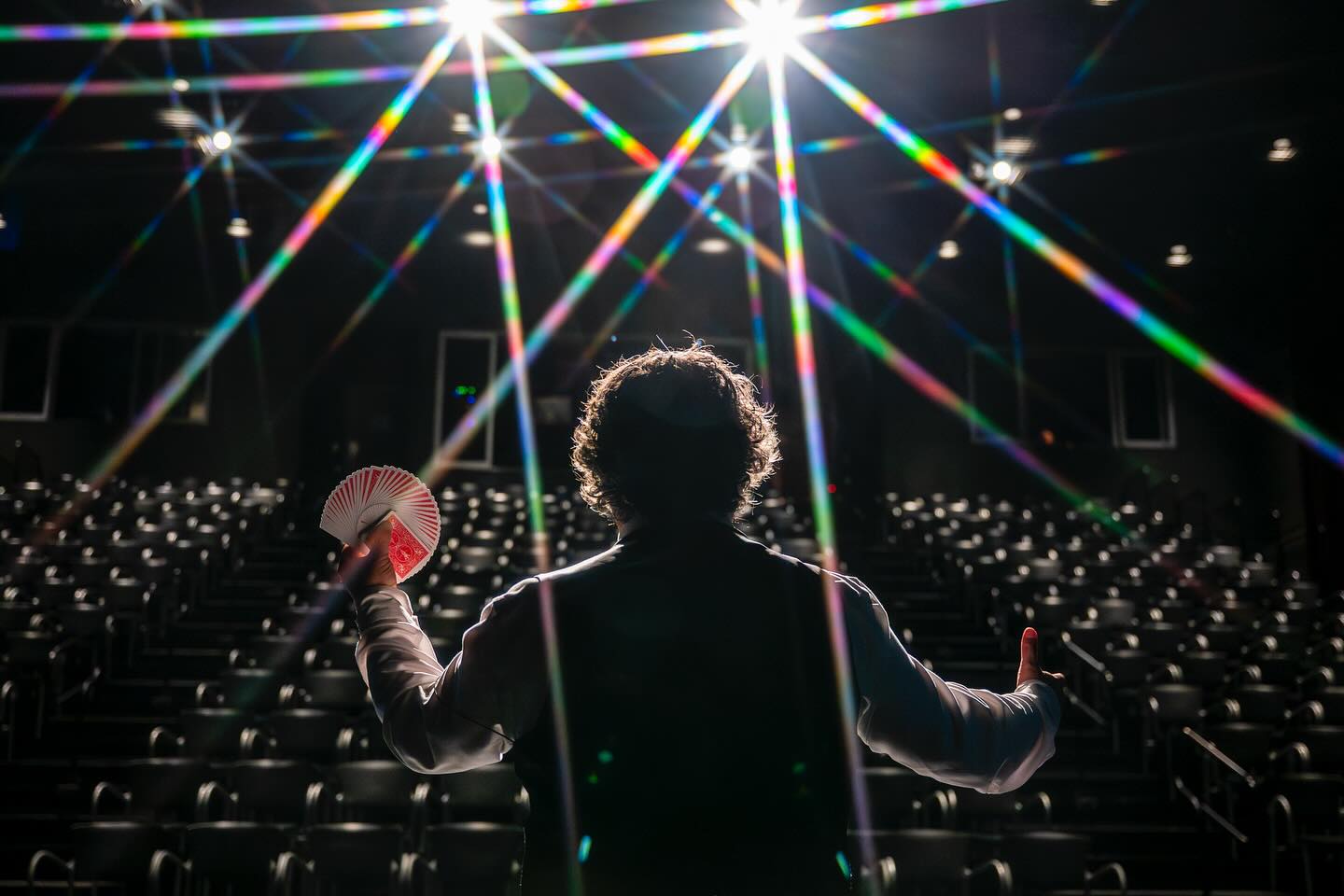
The show is part educational, part storytelling, and due to the nature of a shuffled deck of cards, different every night. The show isn’t just about how we remember, and what we remember, but why we remember. The main question at the centre of the show is “What are the things remember, and what are the things you never want to forget.”
What is especially telling is that both works arrive independently at the same conclusion: humans do not remember through information alone. We remember through story, emotion, movement, and connection. Art becomes the ideal medium for exploring this because art itself relies on association and interpretation. The performances demonstrate that memory techniques are not detached systems of efficiency; they are mirrors of how people construct meaning.
In that sense, both shows use acts of memory to ask a larger question: how much of who we are is determined by the stories we inherit, and how much can be rewritten through the stories we choose to perform?
About the Creators
Dave Morris (52 stories) is a speaker, teacher, and storyteller, but mostly he’s an improviser. He’s been teaching, producing and performing improvisation around Canada and the world for over 20 years. He is the artistic director of the award-winning Paper Street Theatre co. in Victoria B.C., was a long-time volunteer and regional director for the Canadian Improv Games, and performs his one-man improvised storytelling shows to high acclaim. He has performed and taught at festivals around the world, including Seattle, Chicago, London, Berlin, Romania, Amsterdam, and many more across Canada.
Dyana Sonik-Henderson (1,000 pieces of π) is a choreographer, instructor, and Executive/Artistic Director of Broken Rhythms, as well as the creator of Rhythmical Contemporary. Based in Victoria, she teaches throughout the local dance community and guest instructs across Canada. Her work has received national recognition, including nine Pick of the Fringe awards, the LOLA Project International award, and the title of B.C. Cultural Ambassador for her contributions to community engagement and artistic excellence. Dyana has choreographed for companies across Canada, received support from the Canada Council for the Arts and BC Arts Council, and presented work nationally, including in Halifax, Calgary, Edmonton, and Toronto.She has studied and performed internationally, including at Trinity Laban Conservatoire of Music and Dance in London, England, and continues to create interdisciplinary work exploring movement, identity, and performance. Dyana recently completed a Master’s thesis in Sociology at the University of Victoria focused on movement, gender, race, and dance.

